
UK and Scotland
Jorvik Viking Festival, York: York is an amazing town steeped in history. The Vikings called it Jorvik. Their so-called “Great Heathen Army” arrived in AD 865 and rampaged through England for about fifteen years, conquering East Anglia, Northumbria and Mercia. They took over the city of York in AD 866 and it became the centre of the part of the UK they owned and dominated (the Danelaw) for about three centuries from then onwards. The river Ouse which runs through the town gave them access to the sea and international trade flourished. Archaeological digs have uncovered a wealth of traces left behind showing us what it was like to live there back then.
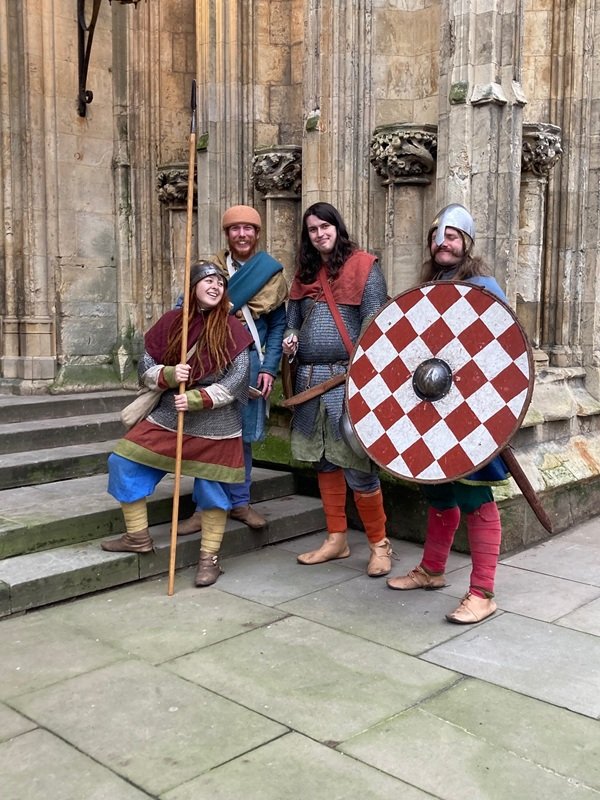
Jorvik Viking Festival
The Scandinavian heritage is celebrated for a week every year during their annual Viking Festival with market stalls selling Viking style objects, craft demonstrations showcasing Viking skills like carpentry and blacksmithing, mock battles, and a march through town by hundreds of re-enactors dressed in period costumes. Great fun!
Jorvik Viking Centre, York: A permanent attraction showing what life would have been like in York during the Viking era. You travel through a “village” to watch scenes from daily life and it even smells authentic! Afterwards there is a small exhibition of artefacts.
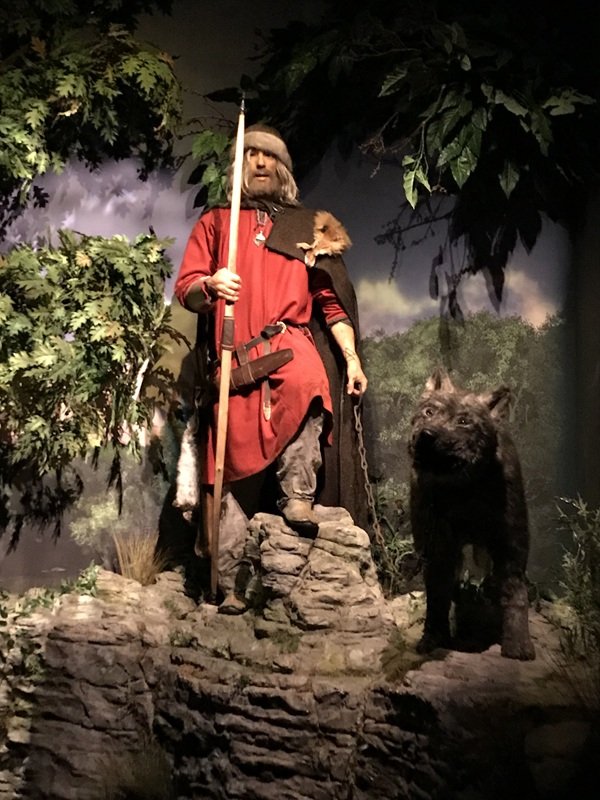
Jorvik Viking Centre
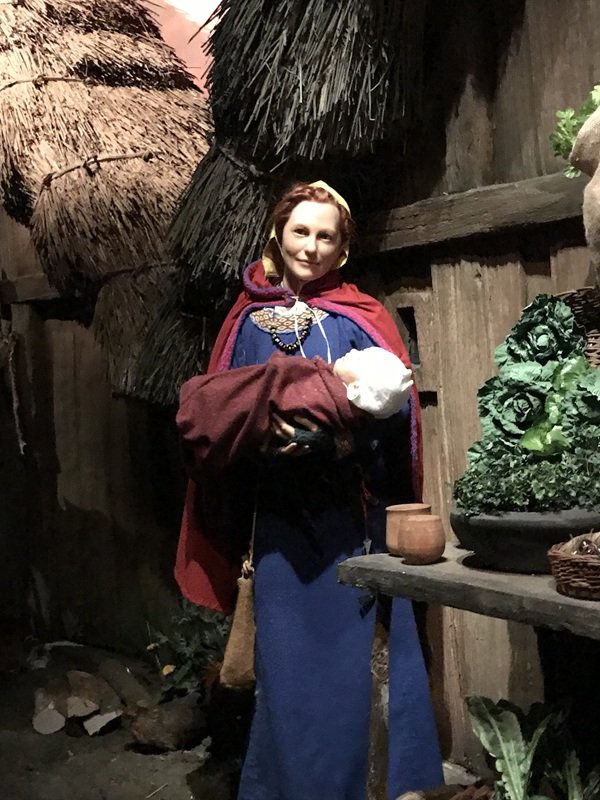
Jorvik Viking Centre two
The Yorkshire Museum, York: This includes the newly opened Viking North exhibition which is wonderful! It tells the history of the Vikings in the north of England and is full of amazing treasures.
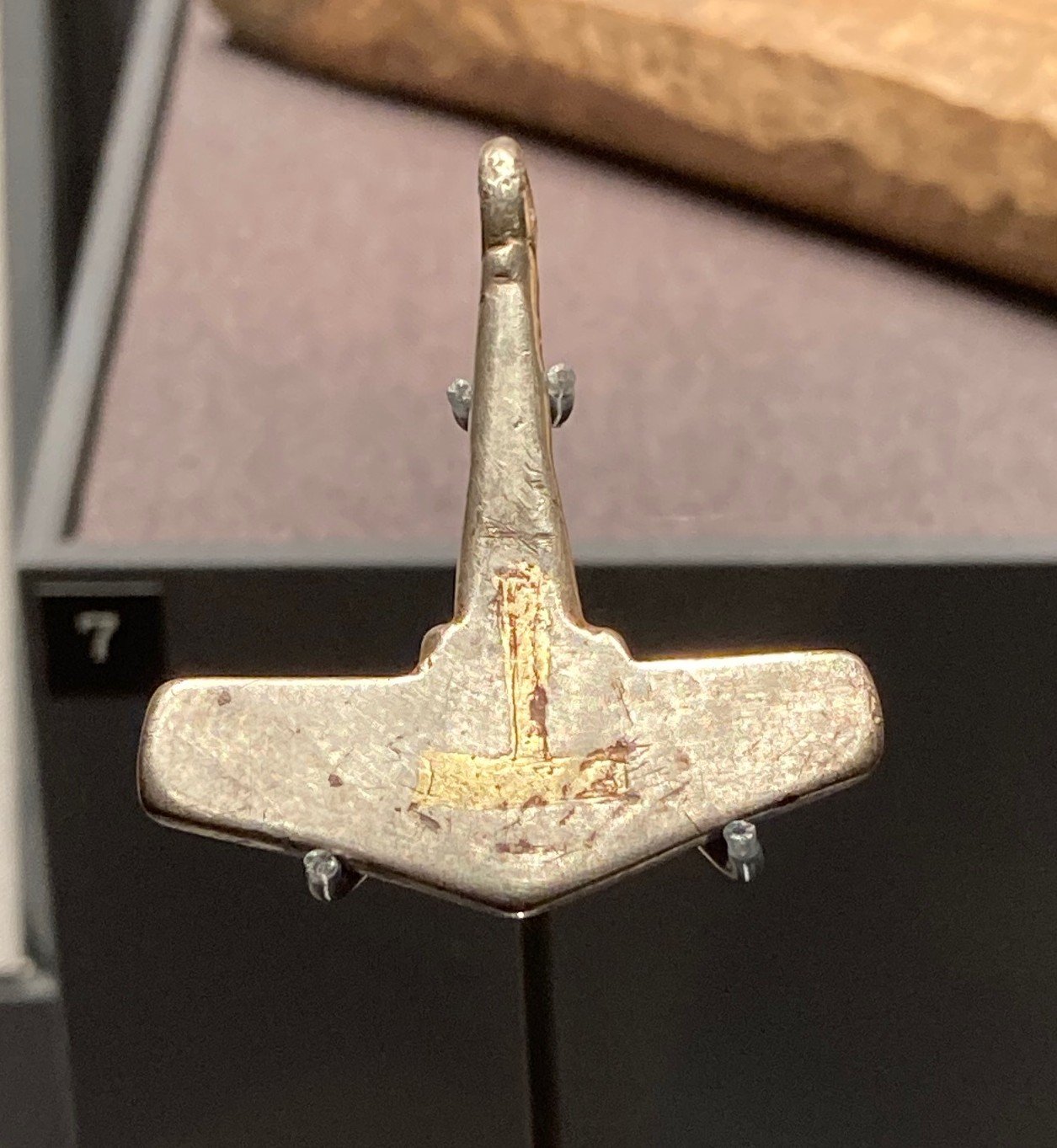
The Yorkshire Museum
Torksey: The Viking “Great Heathen Army” overwintered in AD 872/3 AD near the tiny village of Torksey in Lincolnshire. I’d read that they camped by the river Trent there and I thought it would be easy to find the approximate site. Not so. When we arrived, you couldn’t see the river at all or reach its banks. Eventually we found a disused railway bridge and from there you had a perfect view of the site.
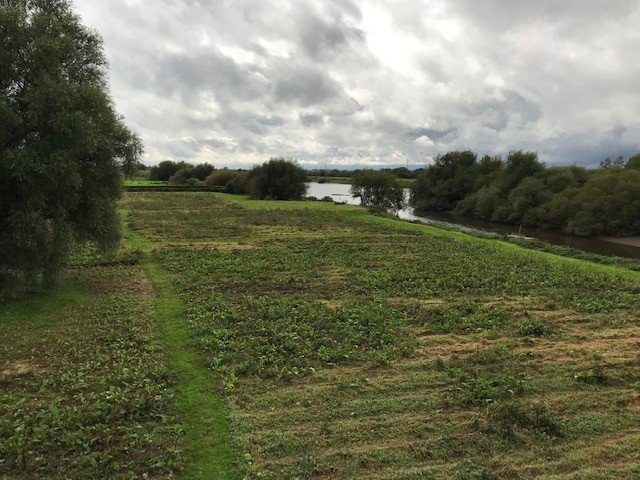
Torksey
Repton: In this Derbyshire village the “Great Heathen Army” over-wintered in AD 873/4. They used the church of St Wystan’s as part of their defensive walls and set up another camp nearby at Foremark and Heath Wood. Obviously, nothing remains of these sites except underground, but the church is still there, including a crypt where the kings of Mercia were said to have been buried. It’s an atmospheric, if somewhat creepy, place!
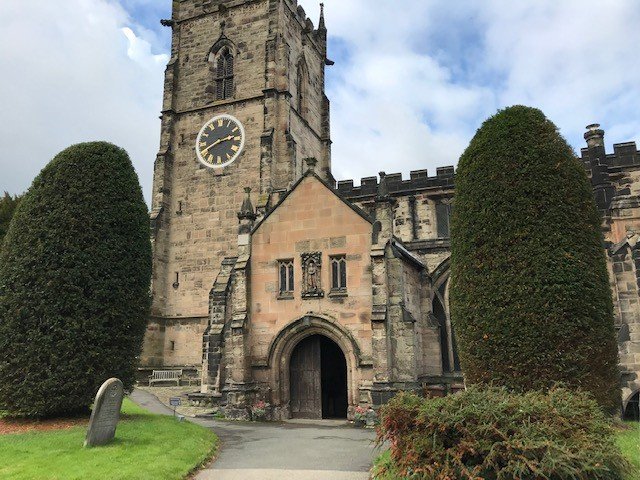
Repton
The Galloway Hoard: A magnificent treasure found in Scotland in 2014 which inspired my story HIDDEN IN THE MISTS. The hoard was probably buried around AD 900 and is one of the most incredible treasures ever found in Scotland and the richest one from the Viking age. I was fortunate enough to see it in person and my absolute favourite object was a little gold pin in the shape of a bird which I had already used in another story, WHISPERS OF THE RUNES. Most of the hoard was made up of silver armbands and ingots, and some of gold. The largest collection of armbands were of a type usually found around the Irish Sea dated to between AD 880-930, decorated with punchwork in various patterns. They had runic inscriptions and appeared to have been divided into groups and marked as if they belonged to four different people. Perhaps ownership of the hoard had been shared and whoever hid it wanted everyone to remember what belonged to whom. Sadly, none of them ever came back for it. The runes are all Anglo-Saxon – similar to Viking ones but developed into its own style – which was surprising for a Viking hoard. The Vikings controlled a lot of the territory around the Irish Sea and up the west coast and islands of Scotland in the 9th century. Galloway was in between that and Anglo-Saxon Northumbria, but still connected to the sea. There was a lot of trade and settlement, as well as raiding.
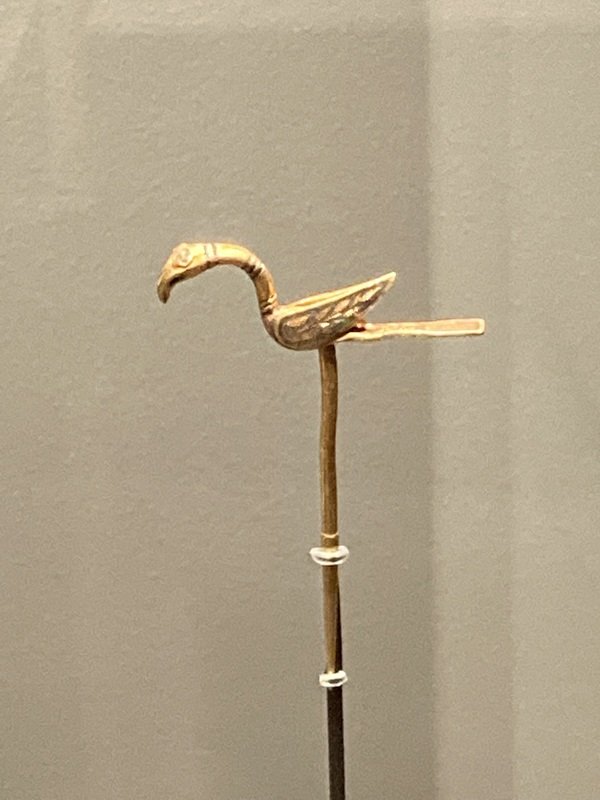
The Galloway Hoard